

By: CAO Powered by MedVanta
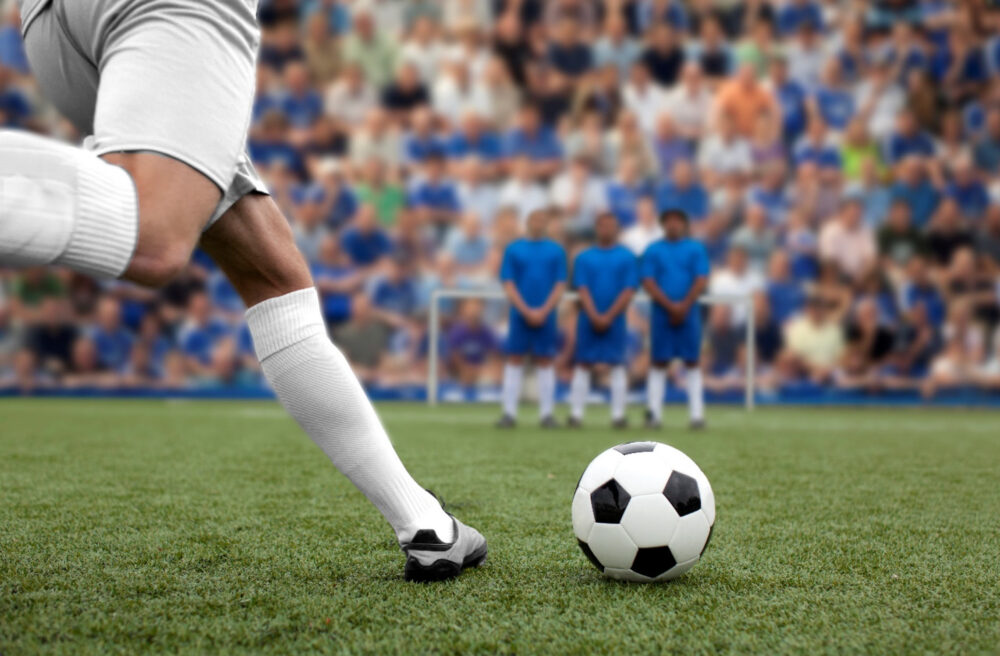
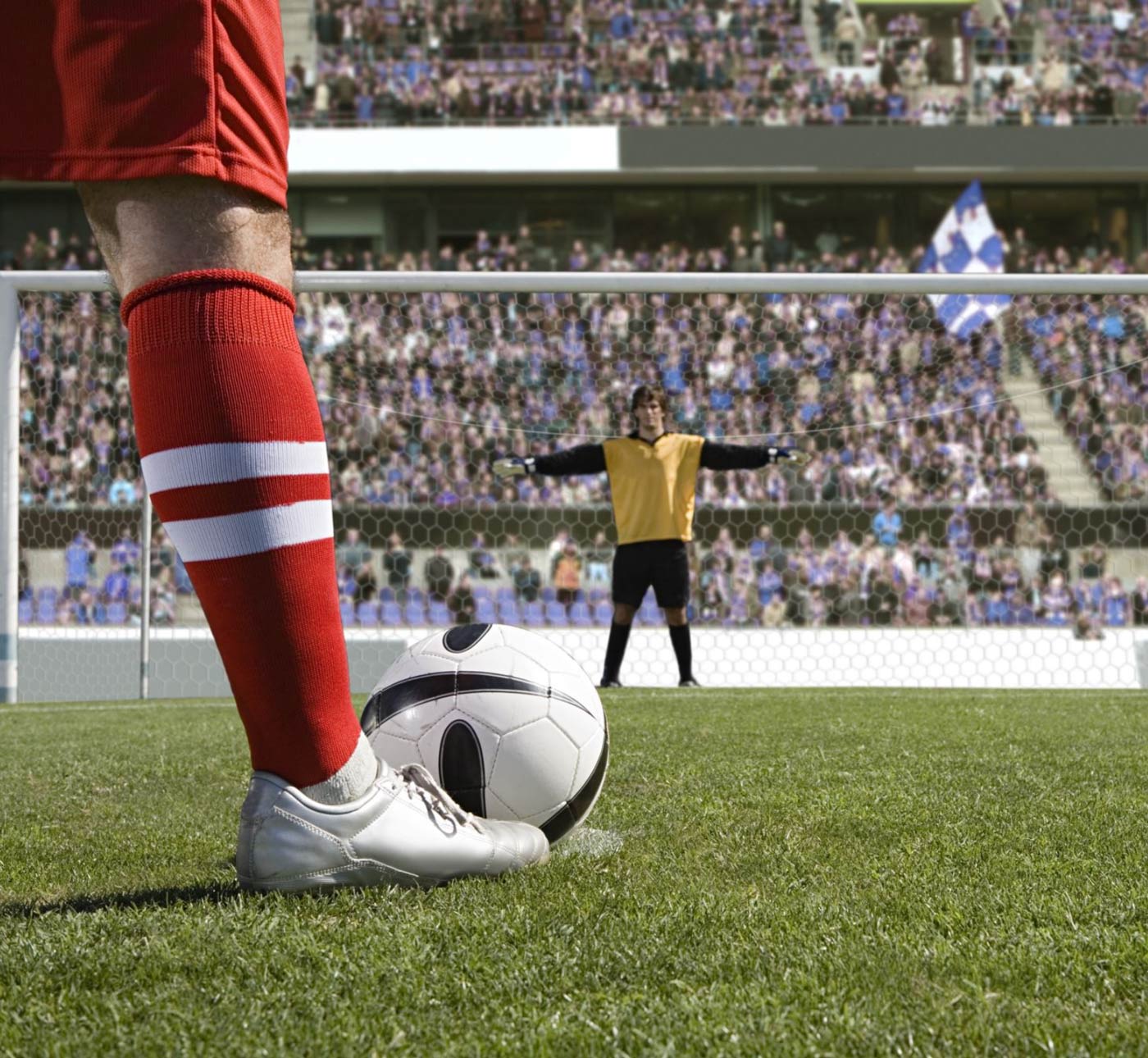
Hamstring strains are one of the most common injuries seen in soccer players at every level—from youth and high school athletes to collegiate and professional competitors. Because soccer requires repeated sprinting, sudden acceleration, deceleration, and powerful kicking, the hamstring muscles are under constant demand. Understanding why these injuries occur, how they are treated, and when it’s safe to return to play can help athletes reduce downtime and avoid re-injury.
What Is a Hamstring Strain?
The hamstrings are a group of three muscles located at the back of the thigh. A hamstring strain occurs when one or more of these muscles is overstretched or torn. Strains can range from mild muscle tightness to a complete tear.
Hamstring strains are typically categorized into three grades:
- Grade 1 (Mild): Minor muscle stretching with minimal pain and little to no loss of strength
- Grade 2 (Moderate): Partial tear with noticeable pain, swelling, and reduced strength
- Grade 3 (Severe): Complete tear with significant pain, weakness, and difficulty walkingWhy Are Soccer Players at High Risk?
Soccer places unique demands on the hamstrings, making them particularly vulnerable to injury. Common risk factors include:
- Sprint-heavy play: High-speed running is the most frequent cause of hamstring strains
- Sudden changes in direction: Cutting, pivoting, and decelerating stress the muscle
- Powerful kicking: The hamstring works eccentrically to slow the leg after a kick
- Muscle imbalances: Strong quadriceps with comparatively weaker hamstrings
- Poor flexibility or fatigue: Tight or tired muscles are more prone to injury
- Previous hamstring injury: One of the strongest predictors of future strains
Signs and Symptoms of a Hamstring Strain
- Hamstring injuries often occur suddenly. Athletes may notice:
- A sharp pain or pulling sensation in the back of the thigh
- Tightness or cramping during or after activity
- Swelling or bruising
- Pain when walking, running, or bending the knee
- Weakness or instability in the leg
Any athlete who experiences ongoing pain or difficulty returning to normal activity should be evaluated by a sports medicine professional.
How Hamstring Strains Are Treated
Treatment depends on the severity of the injury, but most hamstring strains do not require surgery. Early and appropriate care is key to recovery.
Initial Treatment
- Rest from aggravating activities
- Ice to reduce pain and inflammation
- Compression and elevation if swelling is present
Rehabilitation and Physical Therapy
Physical therapy plays a critical role in recovery and re-injury prevention. A structured program may include:
- Gentle stretching to restore flexibility
- Progressive strengthening exercises
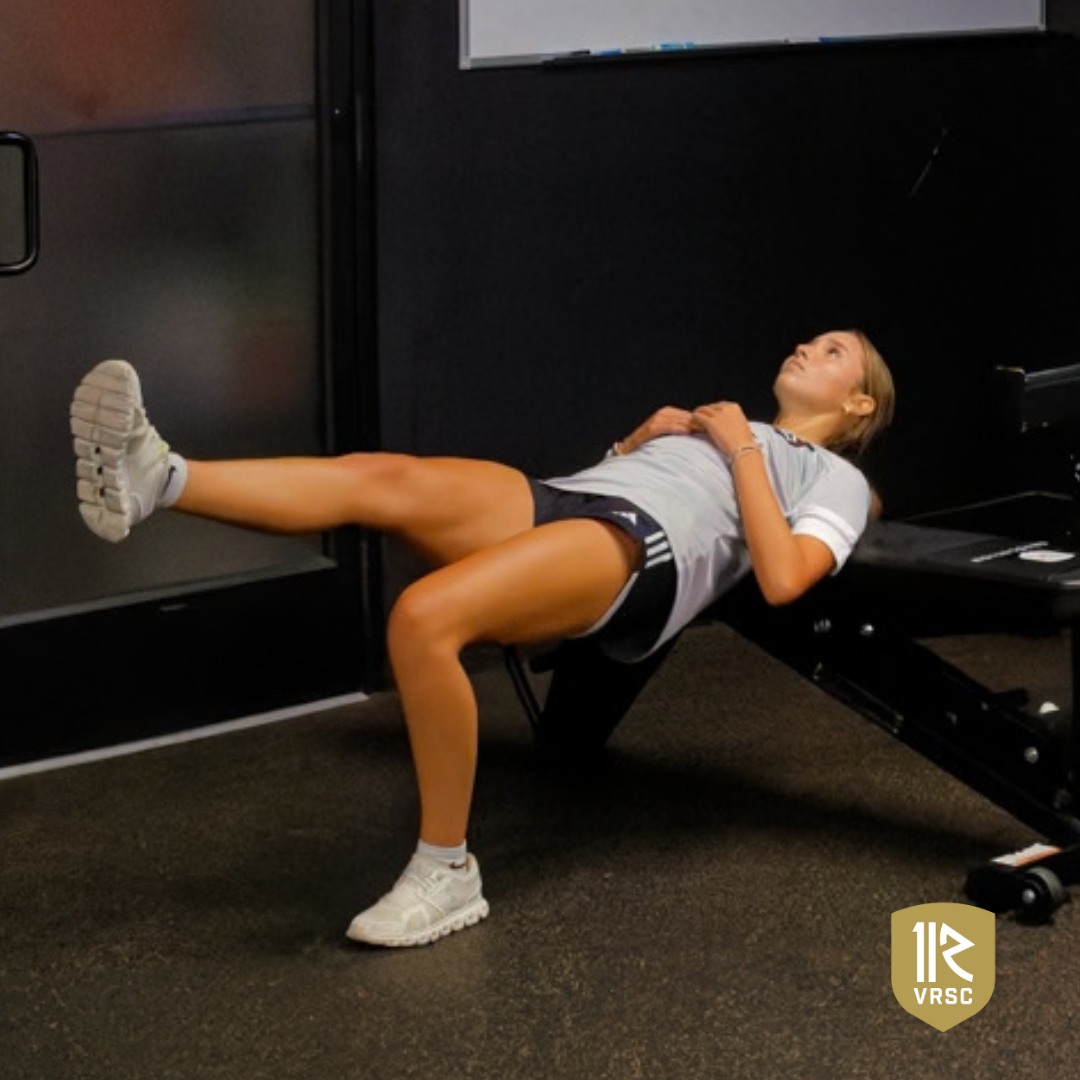
- Eccentric hamstring training
- Core and hip stabilization
- Sport-specific drills
Advanced imaging, such as MRI, may be used in moderate to severe cases to assess the extent of the injury.
How Long Does Recovery Take?
Recovery time varies depending on injury severity:
- Mild strains: 1–3 weeks
- Moderate strains: 4–8 weeks
- Severe strains: 3 months or longer
Returning too soon significantly increases the risk of re-injury, which is why guided rehabilitation is so important.
Return-to-Play: When Is It Safe?
A safe return to soccer should be based on function—not just time. Before returning to play, athletes should be able to:
- Run at full speed without pain
- Perform sprinting, cutting, and kicking drills
- Demonstrate equal strength and flexibility compared to the uninjured side
- Complete sport-specific movements without compensation
A sports medicine provider or physical therapist can help determine readiness and reduce the risk of recurrence.
Can Hamstring Strains Be Prevented?
While not all injuries can be avoided, prevention strategies can significantly lower risk:
- Consistent dynamic warm-ups before play
- Regular hamstring and hip strengthening
- Eccentric exercises such as Nordic hamstring curls
- Proper recovery between games and training sessions
- Addressing muscle imbalances early
Programs designed for soccer injury prevention, such as structured warm-up protocols, have been shown to reduce hamstring injuries.
When to See a CAO Sports Medicine Specialist
Soccer players should seek evaluation if:
- Pain persists beyond a few days
- There is visible bruising or swelling
- Running or sprinting is painful
- The injury keeps recurring
Early assessments can shorten recovery time and help athletes return to the field safely.
Expert Care for Soccer Injuries
Hamstring strains are common—but with proper diagnosis, rehabilitation, and return-to-play guidance, soccer players can recover fully and reduce the risk of future injury. A sports medicine specialist can help develop an individualized plan to keep athletes strong, healthy, and game-ready throughout the season. If joint pain limits your daily activities, causes swelling that does not go away, or follows an injury, contact the experts at The Centers for Advanced Orthopaedics.
Need help with injury prevention, recovery plans, or rehab? Contact your CAO sports medicine provider to schedule a consultation. For urgent orthopaedic injuries call VantaStat at 844-VANTA365!